
The Hidden Force Behind Every Great Cup at Cedar Bean’s Coffee Joint
Walk into Cedar Bean’s Coffee Joint on any given morning and you’ll hear a lot of things—milk steaming, grinders humming, someone debating oat vs. whole—but every once in a while, you’ll hear a word that sounds like it belongs in a vineyard instead of a coffee shop:
Terroir.
It’s one of those words that can feel a little… lofty. A little “wine guy swirling a glass in slow motion.” But here’s the truth:
Terroir is one of the most important concepts in coffee—and once you understand it, you’ll never taste coffee the same way again.
So let’s break it down the Cedar Bean’s way. No fluff. No pretense. Just the real story behind what’s actually in your cup.
So… What Is Coffee Terroir?
At its simplest:
Terroir is the combination of environmental factors that shape how coffee grows and how it tastes.
We’re talking about everything that happens before your barista ever touches the beans:
- The altitude of the farm
- The soil beneath the roots
- The climate surrounding the plant
- The rainfall, sunlight, and wind
- Even the microscopic conditions unique to that exact hillside
Think of terroir as the fingerprint of a place.
It’s the reason why two coffees—grown thousands of miles apart—can taste wildly different… even if they’re roasted the same way and brewed on the same machine.
The Big Misconception: Terroir Isn’t Just About Flavor
Most people think terroir is just a fancy way of saying:
“This coffee tastes like chocolate” or “this one tastes fruity.”
That’s only half the story.
Terroir doesn’t just influence flavor—it determines whether coffee can grow at all.
Coffee is a picky plant. Like, really picky.
Where Coffee Can (and Can’t) Grow
Coffee—especially Arabica, which is what we serve at Cedar Bean’s—only thrives in a narrow band around the equator known as the Coffee Belt.
For coffee to grow well, it needs:
- Temperatures between 60–70°F
- Consistent rainfall (but not too much)
- High elevation (usually 2,000–6,000+ feet)
- Well-draining, nutrient-rich soil
- Some level of shade protection
Miss one of these, and things start to fall apart.
- Too hot? The cherries ripen too fast → flat flavor
- Too cold? Growth slows or stops
- Too wet? Mold and fermentation issues
- Too dry? Stunted plants and low yield
This is why you don’t see world-class coffee farms popping up in North Jersey.
(Trust us—we’d love to cut out the middleman.)
How Terroir Shapes Flavor (The Part You Taste)
Once the plant is growing in the right conditions, terroir starts doing its most magical work:
Building flavor from the ground up.
Let’s walk through the big players.
1. Altitude: The Slow Game That Wins Big
If terroir had an MVP, altitude would be in the running.
Here’s why altitude matters:
Higher elevation = cooler temperatures
Cooler temperatures = slower cherry development
Slower development = more time for sugars to form
More sugars = more complex flavor
That’s where you get:
- Bright acidity
- Layered fruit notes
- Floral aromatics
Low elevation coffees tend to be:
- Nutty
- Chocolatey
- Smooth and mellow
High elevation coffees tend to be:
- Vibrant
- Fruity
- Complex
Neither is “better”—but they are very different experiences.
2. Climate: The Balance Between Sweetness and Structure
Coffee plants live and die by their environment.
The best coffee-growing regions have a rhythm:
- Warm days → build sugars
- Cool nights → preserve acidity
That balance creates structure in the cup.
If things get out of sync:
- Too hot → rushed development
- Too wet → inconsistent fermentation
- Too dry → underdeveloped cherries
Great terroir isn’t just about location—it’s about consistency over time.
3. Soil: The Quiet Influencer
Soil doesn’t get the same spotlight as altitude, but it matters more than most people realize.
Healthy soil = healthy plants
Healthy plants = better cherries
Better cherries = better coffee
Certain types of soil are especially prized:
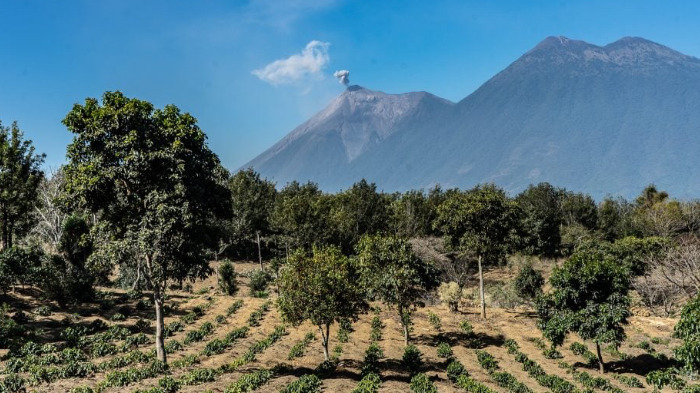
- Volcanic soil → often linked to bright, complex coffees
- Clay-heavy soil → can contribute to body and richness
- Loamy soil → balanced growth and nutrient retention
Regions in places like Guatemala and El Salvador benefit from volcanic soil that’s been building nutrients for centuries.
It’s like nature’s slow-cooked recipe.
4. Microclimates: Where Things Get Really Interesting
Here’s where terroir gets wild.
Two farms can be:
- On the same mountain
- At the same elevation
- Growing the same varietal
…and still produce completely different coffees.
Why?
Microclimates.
Tiny environmental differences like:
- Wind direction
- Tree coverage
- Sun exposure
- Moisture retention
These subtle shifts create one-of-a-kind flavor profiles.
This is why specialty coffee gets so specific:
- Not just “Colombia”
- But this farm, on this slope, at this elevation
That’s how you get coffees that feel like they have personality.
Terroir + Processing: The Final Transformation
Here’s the part most people don’t realize:
Terroir sets the foundation—but processing shapes the final expression.
Once coffee cherries are picked, they go through different processing methods:
Washed (Wet Process)
- Cleaner, brighter flavors
- Highlights terroir clarity
Natural (Dry Process)
- Fruit-forward, heavier body
- Amplifies sweetness and complexity
Honey Process
- Somewhere in between
- Balanced, often syrupy
At Cedar Bean’s, when we talk about a coffee like Cedar Gold (our natural processed El Salvador):
- The terroir gives it structure (altitude, soil, climate)
- The natural process pushes forward fruit and sweetness
Same farm + different process = completely different experience.
Why Terroir Matters to You (Yes, You)
This isn’t just coffee nerd trivia.
Understanding terroir changes how you experience coffee in three big ways:
1. You Start Tasting With Intention
Instead of:
“This is good.”
You start thinking:
“This is bright—probably high elevation.”
“This has body—maybe lower altitude or different soil.”
You’re not just drinking—you’re decoding.
2. You Connect to the Origin
Every cup becomes a story.
- A mountain in Ethiopia
- A volcanic slope in El Salvador
- A family-run farm in Guatemala
Coffee stops being a product and starts being a place.
3. You Appreciate the Craft at Every Level
From farmer → processor → roaster → barista
Terroir reminds you:
Great coffee isn’t made—it’s grown.
How We Bring Terroir to Life at Cedar Bean’s
At Cedar Bean’s Coffee Joint, terroir isn’t just a concept—it’s part of how we think about everything we serve.
We don’t just ask:
“Does this taste good?”
We ask:
“Where did this come from—and what made it taste this way?”
That’s why you’ll see us:
- Rotating single-origin coffees
- Highlighting farms and regions
- Talking about altitude, process, and origin
- Building drinks that respect the coffee, not bury it
Because when you understand terroir, you realize:
The goal isn’t to cover up the coffee.
It’s to show it off.
The Cedar Bean’s Takeaway
Let’s bring it home.
Terroir is the invisible force behind every cup of coffee.
It determines:
- Where coffee can grow
- How the plant develops
- What flavors are possible
- And how unique that coffee can become
From the soil beneath the roots to the climate in the air, terroir is working long before the first sip.
And once you start paying attention to it?
Coffee becomes a whole lot more interesting.
And a whole lot more meaningful.
Next Time You’re in the Shop…
Ask us:
- Where your coffee is from
- What altitude it was grown at
- How it was processed
We’ll happily go down that rabbit hole with you.
Because around here, we’re not just pouring coffee.
We’re pouring places.


No Comments.